
What Is Padel Tennis? Beginner's Guide to Padel | Padel Visit
New to padel? Discover what padel tennis is, how to play, the basic rules, padel vs tennis, how many players you need and how long a match lasts.
Padel Tennis for Beginners: What Is Padel and How Do You Play?
Padel has quickly become one of the world’s most exciting and fastest-growing racket sports. Social, easy to learn and incredibly fun from the very first game, padel attracts everyone from complete beginners to experienced tennis players looking for something new.
If you have seen the distinctive glass-walled courts at hotels, sports clubs or holiday resorts and wondered what happens inside them, this beginner’s guide is for you.
In this guide, we explain what padel tennis is, how padel is played, the basic rules, how it differs from tennis, how many people play and how long a typical match lasts.
The good news? You don’t need years of experience to start enjoying it.
What Is Padel Tennis?
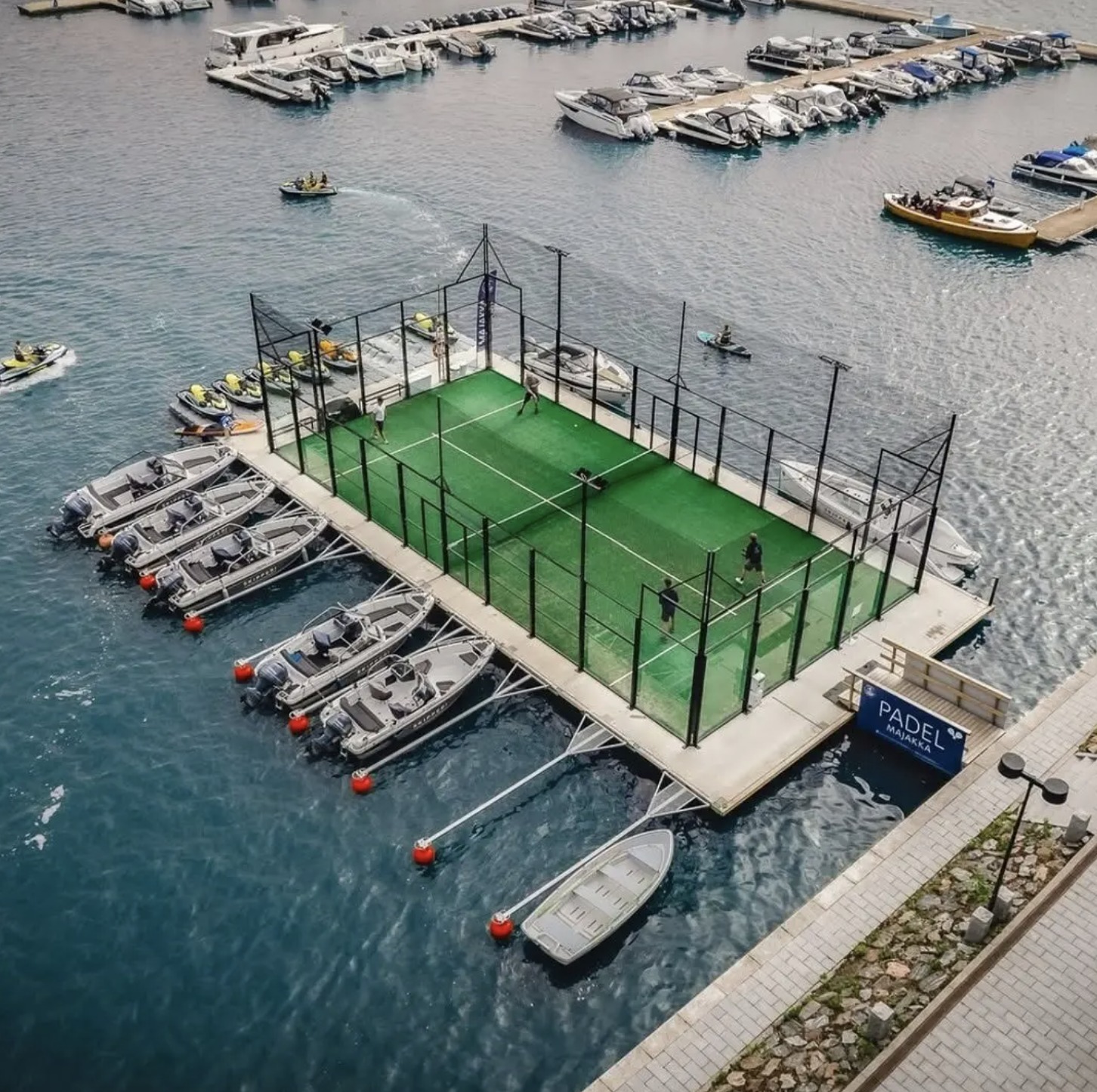
Padel is a racket sport that combines elements of tennis and squash. It is normally played as doubles, with four players sharing a compact enclosed court surrounded partly by glass walls.
Players use solid, stringless padel rackets and a ball that looks similar to a tennis ball. The objective is simple: hit the ball over the net and make it difficult for your opponents to return it legally.
What makes padel particularly interesting is the court itself.
Unlike tennis, the surrounding walls are part of the game. After the ball bounces on your side of the court, it can rebound from the glass wall and still be returned. This creates longer rallies, unusual angles and a completely different tactical dimension.
Because the court is smaller than a tennis court and doubles is the standard format, padel is also extremely social. Communication and teamwork are often just as important as power.
What Is the Difference Between Padel and Tennis?
At first glance, padel and tennis may look similar. Both use rackets, balls, nets and familiar scoring systems. Once you step onto the court, however, the differences become obvious.
A padel court is significantly smaller than a tennis court and is enclosed by glass and fencing. These walls can be used during rallies, creating shots that simply do not exist in conventional tennis.
The rackets are also different. Tennis rackets have strings and a larger hitting surface, while padel rackets are compact, solid and perforated.
Another major difference is the serve. In padel, the serve is performed underarm after bouncing the ball, making it easier for beginners to start a point without mastering a technically demanding overhead tennis serve.
Padel also places less emphasis on pure power. Positioning, patience, control, teamwork and understanding how to use the walls are crucial parts of the game.
This is one reason people who have never played a racket sport before can often enjoy a competitive padel game surprisingly quickly.
How Do You Play Padel Tennis?
A standard padel match is normally played by four players in two teams of two.
The match begins with an underarm serve. The server first bounces the ball behind the service line and then strikes it at or below waist height diagonally into the opponent’s service box.
After the serve, players rally across the net.
The ball is allowed to bounce once on the ground before being returned. Once it has bounced, it may also hit the surrounding glass and remain in play.
Players can also hit volleys before the ball bounces, which makes controlling the net an important tactical part of padel.
The basic objective is to force your opponents into an error or hit a legal shot they cannot return.
What Are the Basic Rules of Padel?
If you are playing padel for the first time, you do not need to memorise every technical regulation before stepping onto the court. Understanding a few basic rules is enough to get started.
The serve is underarm and played diagonally into the opponent’s service box. Each team must allow the ball to cross the net, and the ball may bounce only once before being returned.
After bouncing on the court, the ball can hit the glass wall and remain in play. However, if the ball hits your own wall before first bouncing on the ground, the shot is normally lost.
Players are also allowed to volley the ball, except when receiving the serve, which must bounce before it is returned.
Scoring will feel familiar to tennis players: 15, 30, 40 and game. Sets are generally played to six games, with a team normally needing a two-game advantage to win the set. Competition formats can vary, however, particularly at social events and amateur tournaments.
How Many People Play Padel Tennis?
Padel is primarily designed as a doubles sport, meaning a standard game consists of four players — two players on each side of the net.
This doubles format is a huge part of padel’s popularity.
You are constantly communicating with your partner, moving together and deciding who should take each shot. This makes the sport naturally social and particularly suitable for groups of friends, couples, clubs and holiday groups.
Singles padel does exist and specially designed singles courts can be found in some locations, but doubles remains the standard and most widely played version of the sport.
How Long Does a Padel Match Last?
There is no fixed duration for a padel match because the length depends on the players, scoring format and competitiveness of the game.
As a general guide, a recreational match may last approximately 60 to 90 minutes.
Competitive best-of-three-set matches can last longer, particularly when the teams are evenly matched.
For beginners and social players, booking a court for around 60–90 minutes usually provides plenty of time to warm up, play and enjoy the experience without feeling rushed.
Is Padel Easy for Beginners?
One of padel’s biggest attractions is its accessibility.
Compared with many racket sports, beginners can start having enjoyable rallies relatively quickly. The underarm serve is straightforward, the smaller court means less ground to cover and playing doubles reduces the physical demands on each individual player.
That does not mean padel is an easy sport to master.
As you improve, you begin to discover the tactical side of the game: positioning at the net, defending from the back of the court, anticipating rebounds from the glass, choosing when to attack and working efficiently with your partner.
This combination of easy to start but difficult to master is part of what makes padel so addictive.
What Equipment Do You Need to Play Padel?
Getting started is simple.
You need a padel racket, suitable sports clothing, comfortable court shoes and padel balls. Beginners do not necessarily need to buy equipment immediately, as many clubs and resorts offer racket rental.
A good beginner racket should prioritise comfort, control and a generous sweet spot rather than maximum power.
Proper footwear is particularly important because padel involves frequent lateral movements, quick changes of direction and short bursts towards the net.
Can You Play Padel on Holiday?
Absolutely — and this is where padel becomes even more interesting.
Padel is particularly well suited to active holidays because a game can easily become part of your day without taking over the entire trip.
You might start the morning with a coaching session, play a friendly match before lunch and still have the afternoon available for the beach, swimming pool, spa, sightseeing or simply relaxing.
Destinations such as Turkey and Spain combine excellent padel facilities with luxury resorts, warm climates and extensive leisure options, making them ideal for both dedicated padel groups and travellers who simply want to include the sport in their holiday.
A well-planned padel holiday can also be one of the best ways for beginners to improve. Playing regularly over several days, combined with professional coaching and social matches, gives you an opportunity to develop your skills while enjoying the experience rather than treating training like work.
Your First Padel Holiday
You do not need to be an experienced player to join a padel holiday.
In fact, travelling with other players can be a fantastic introduction to the sport. Beginners can learn the fundamentals through coaching, practise with players of a similar level and gradually build confidence through friendly games.
At Padel Visit, our aim is to combine great padel with carefully selected destinations and quality accommodation, creating holidays that are about much more than time spent on court.
Because ultimately, padel is social.
It is about the match, your partner, the people you meet — and everything you experience once you leave the court.
Ready to play? Discover your next padel holiday with Padel Visit.